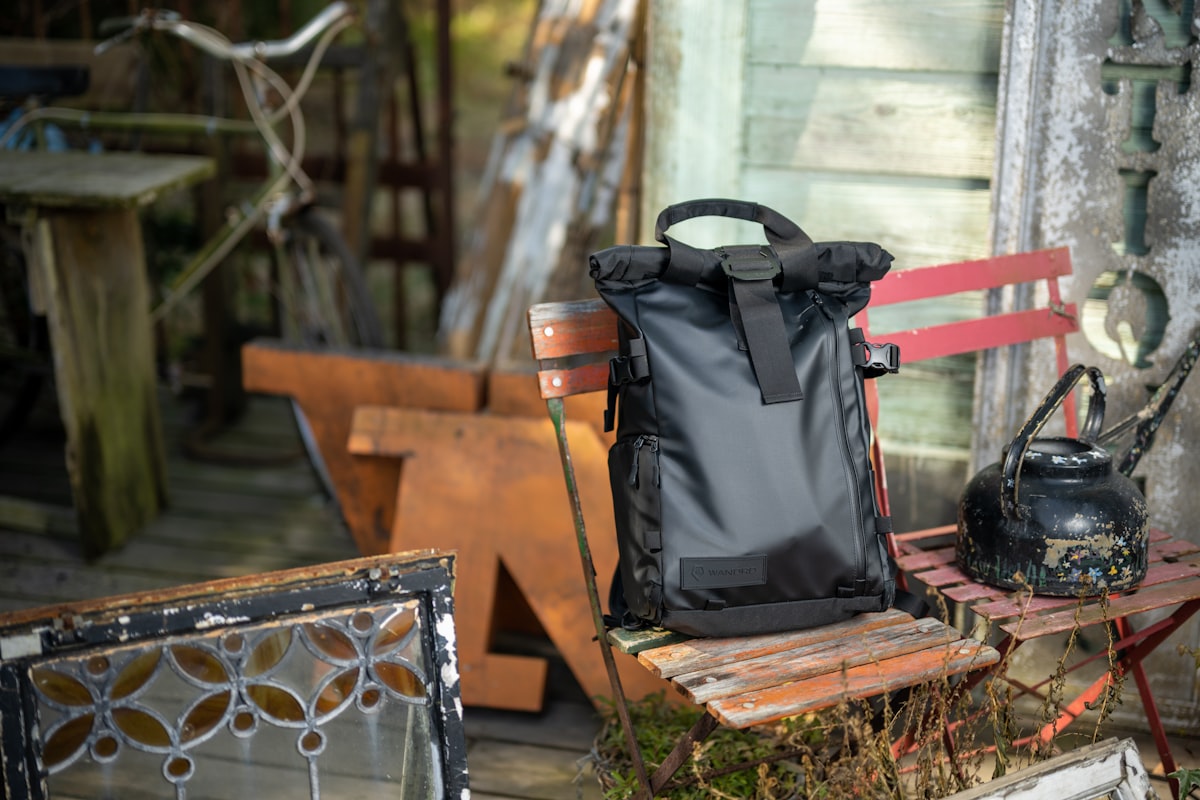
Your gear brand just crossed six figures. The orders are flowing, your product actually works, and suddenly everyone wants a piece of what you’ve built.
But here’s the reality check: hitting $100K isn’t the finish line. It’s the starting gun for a completely different race.
Most outdoor founders hit this milestone while still running everything from their garage or spare bedroom. You’re probably still packing orders yourself, answering every customer email, and staying up until 2 AM updating your Shopify store.
That worked when you were doing (5K months. It won’t work at )20K months.
The $100K Cliff: Why Success Gets Harder
At $100K annual revenue, you’re no longer a hobby business. You’re a real company with real responsibilities. Customer expectations rise. Quality standards tighten. One bad batch of products can tank your reputation overnight.
The systems that got you here will break under the weight of growth. Your one-person operation needs to become a team. Your gut-feeling decisions need frameworks.
Most founders either burn out trying to do everything themselves or make bad hires that drain their cash. Neither option is fun.
Team Building: Your First (and Scariest) Hires
Start with Operations, Not Marketing
Your first hire should handle the work that’s eating your time but doesn’t require your specific expertise. This usually means operations: packing orders, managing inventory, handling basic customer service.
Look for someone local who can work part-time initially. You need someone who can physically touch your products and understand your quality standards. Remote might work later, but not for hire number one.
Pay them well from the start. A reliable operations person is worth their weight in premium down fill.
The 70% Rule for Delegation
Don’t wait until someone can do a task 100% as well as you. If they can handle it 70% as well, delegate it. Your time is better spent on the 30% of tasks only you can do.
Train them properly, create simple checklists, then step back. Yes, they’ll make mistakes. Build that into your expectations and budget.
When to Hire a Marketing Person
Only hire marketing help after you’ve solved your operations bottleneck. Too many founders hire a marketing person when they’re already drowning in orders they can’t fulfill.
The exception: if you’re technically strong but terrible at marketing, consider a fractional marketing person or agency before a full-time hire.
Systems That Scale: Building Your Foundation
Inventory Management Becomes Critical
At $100K, running out of stock costs you real money. But overstocking ties up cash you probably don’t have.
Start tracking your inventory turns by SKU. Anything sitting longer than 90 days needs attention. Either discount it, bundle it, or stop making it.
Use your Shopify analytics or invest in proper inventory management software. Gut feelings about demand don’t work at this scale.
Customer Service Can’t Be an Afterthought
One angry customer can now reach thousands of people through social media. Your response time and quality matter more than ever.
Set up proper email templates for common questions. Create a simple CRM system to track customer issues. Consider tools like Zendesk or even just a shared Gmail account with proper folders.
Aim to respond to all customer emails within 24 hours, ideally within 4 hours during business days.
Quality Control Systems
Your reputation depends on consistent product quality. One batch of defective gear can destroy years of trust-building.
Document your quality standards in writing. Create checklists for receiving inventory. Test samples from every production run before shipping to customers.
Consider this an investment, not a cost. One major quality failure at $100K+ revenue can be business-ending.
Product Quality vs. Growth Speed
The Temptation to Rush
Success creates its own pressure. Customers want new products. Retailers want exclusive designs. Your competitors are moving fast.
But rushing new products to market is the fastest way to damage your brand. Outdoor customers have long memories for gear that fails when they need it most.
The 3-Test Rule
Before launching any new product, run three types of tests:
- Internal testing: You and your team use it extensively- Beta customer testing: Send samples to 10-20 trusted customers- Edge case testing: Test it in conditions worse than normal use Document everything. If it fails any test, fix it before launch.
Managing Product Line Growth
Don’t expand your product line too quickly. Each new SKU adds complexity to inventory, customer service, and quality control.
A good rule: don’t launch more than 2-3 new products per year until you hit $500K revenue. Focus on perfecting what you have.
Decision Frameworks for Growing Founders
The 10-10-10 Rule
Before making major decisions, ask yourself:
- How will I feel about this in 10 minutes?- How will I feel about this in 10 months?- How will I feel about this in 10 years? This prevents both impulsive decisions and paralyzing over-analysis.
Cash Flow vs. Growth Trade-offs
Every growth opportunity costs cash. New inventory, marketing spend, additional team members – it all requires money upfront.
Create a simple cash flow forecast. Know exactly how much you can spend on growth while maintaining 3 months of operating expenses in the bank.
The “Hell Yes or No” Filter
At $100K revenue, you’ll get more opportunities than you can handle. Potential partnerships, wholesale deals, speaking gigs, new product ideas.
If your gut reaction isn’t “hell yes,” the answer is no. Focus beats diversification at this stage.
When to Invest in Professional Help
Legal and Financial Foundation
Get a proper business attorney and accountant now, not later. The cost of fixing legal problems always exceeds the cost of preventing them.
Set up proper business entities, contracts with suppliers, and financial tracking systems. These aren’t exciting, but they’re essential.
Marketing and Technology Partners
Consider working with specialists instead of hiring full-time employees initially. An outdoor-focused marketing agency understands your customers better than a generalist.
Same with technology. Working with Shopify experts or specialized developers costs more upfront but saves time and mistakes.
The Path Forward
Crossing (100K changes everything about your business. The casual approach that got you here won’t take you to )500K or $1M.
But here’s the good news: you’ve already proven the hardest part. Your product works. Customers want it. You can build a business.
Now you just need to build the systems and team that let you scale without breaking what makes your brand special.
Start with operations. Hire carefully. Invest in systems. Keep your quality standards high.
The outdoor industry needs more great brands run by people who understand the gear. Don’t let the complexity of growth stop you from building something that lasts.
Your customers are counting on you. And frankly, so is the industry.