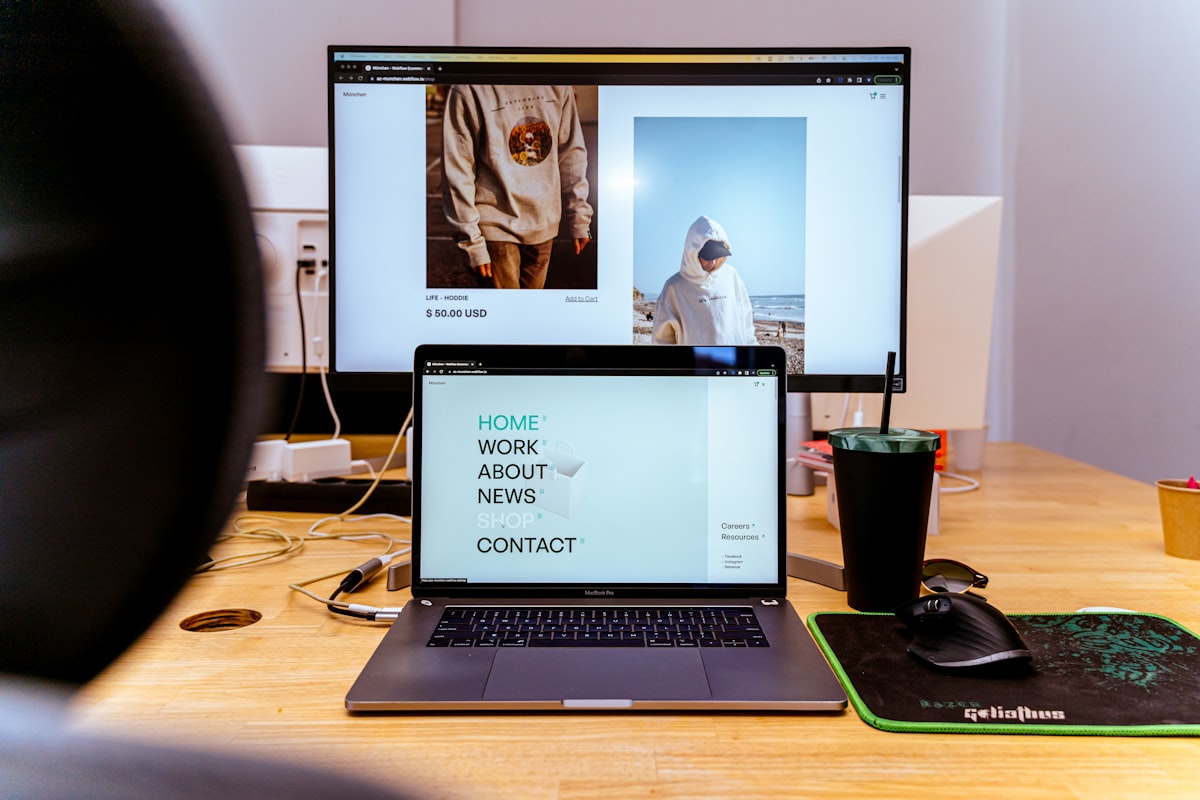
Every outdoor brand founder asks the same question: “Should I use Shopify vs Webflow for my website?” But here’s the thing - you’re asking the wrong question entirely.
The real question isn’t which platform wins in a head-to-head comparison. It’s which platform helps your specific gear brand sell more products to the right customers. The answer depends on what you’re selling, how you sell it, and where your business is heading.
Why the Shopify vs Webflow Debate Misses the Point
Most comparison articles pit these platforms against each other like they’re competing for the same job. They’re not. Shopify is an e-commerce platform that happens to build websites. Webflow is a website builder that happens to handle e-commerce.
This difference matters more than you think. Your choice should match your business model, not just your budget or design preferences.
Consider two outdoor brands. Brand A sells custom-fitted climbing harnesses with complex sizing charts and safety certifications. Brand B sells adventure travel experiences with detailed itineraries and booking calendars. Same industry, completely different needs.
When Shopify Makes Sense for Outdoor Brands
Shopify dominates e-commerce for good reasons. It handles product management, inventory tracking, and order fulfillment without breaking a sweat. For most gear brands, these features matter more than perfect design flexibility.
Product-Heavy Businesses
If you’re selling physical outdoor gear, Shopify probably fits your needs better. The platform excels at managing complex product catalogs with variants, inventory levels, and shipping calculations.
Take a brand selling hiking boots in 15 sizes and 6 colors. That’s 90 product variants to track. Shopify handles this automatically. Webflow requires manual setup for each variant, turning simple inventory management into a nightmare.
Subscription and Recurring Revenue Models
Many outdoor brands use subscription models - gear rental services, monthly outdoor box subscriptions, or maintenance programs. Shopify’s app ecosystem includes dozens of subscription management tools that integrate seamlessly.
Webflow can handle subscriptions, but you’ll need third-party tools and custom integrations. This adds complexity and potential failure points to your business operations.
Rapid Scaling Requirements
Shopify scales with your business automatically. Add 1,000 new products or handle a viral social media moment without touching your infrastructure. The platform manages hosting, security, and performance optimization behind the scenes.
When Webflow Wins for Outdoor Brands
Webflow shines when your business relies heavily on brand storytelling, custom user experiences, or non-traditional e-commerce models. Some outdoor brands need more than a standard online store.
Experience-Based Businesses
Adventure tour companies, outdoor education providers, and gear rental services often need complex booking systems and custom user flows. Webflow’s design flexibility lets you create exactly the experience your customers need.
A backcountry ski guide service might need interactive trail maps, weather integration, and custom booking flows that match their unique safety protocols. Webflow makes this possible without forcing your business into a standard e-commerce template.
Brand-First Companies
Some outdoor brands compete primarily on brand experience rather than product features. These companies need pixel-perfect design control and custom interactions that standard e-commerce templates can’t deliver.
Think premium outdoor lifestyle brands that sell as much aspiration as gear. Their websites need to feel like digital magazines, not online catalogs. Webflow excels at creating these immersive brand experiences.
Content-Heavy Strategies
Brands that rely heavily on educational content, user-generated content, or complex storytelling often outgrow Shopify’s blogging and content management capabilities. Webflow offers more sophisticated content management without requiring a separate CMS.
The Real Questions Outdoor Brands Should Ask
Instead of comparing platforms feature-by-feature, ask yourself these questions about your business:
What’s Your Primary Business Model?
Are you selling products, services, or experiences? Each model has different technical requirements that favor different platforms.
Product sellers usually benefit from Shopify’s robust inventory and fulfillment tools. Service providers might need Webflow’s design flexibility to explain complex offerings. Experience sellers often need custom booking and scheduling systems.
How Complex Is Your Sales Process?
Simple purchase decisions favor Shopify’s streamlined checkout process. Complex purchases requiring education, consultation, or customization might benefit from Webflow’s ability to create custom user journeys.
What’s Your Team’s Technical Capacity?
Shopify requires less technical knowledge to maintain and update. Webflow offers more design control but demands more ongoing technical involvement.
Most outdoor brand founders are engineers or product developers, not web designers. Consider whether you want to spend time learning web design principles or focusing on your core business.
Making the Right Choice for Your Outdoor Brand
The best platform is the one that solves your specific business challenges without creating new ones. Here’s a practical framework for making this decision:
Choose Shopify if you’re primarily selling physical products, need robust inventory management, plan to scale quickly, or want minimal technical maintenance. The platform handles e-commerce complexity so you can focus on product development and marketing.
Choose Webflow if your brand relies heavily on custom experiences, you need specific design control, your business model doesn’t fit standard e-commerce patterns, or you have the technical resources to maintain a more complex system.
Beyond Platform Selection: What Actually Drives Sales
Here’s what most Shopify vs Webflow comparisons ignore: platform choice matters less than execution quality. A well-optimized Shopify store will always outperform a poorly designed Webflow site, regardless of theoretical platform advantages.
Focus on understanding your customers’ needs, creating compelling product presentations, and optimizing your conversion funnel. These factors impact your sales more than whether you chose the “right” platform.
Consider working with a marketing agency for outdoor brands that understands both platforms and can recommend the best fit for your specific business model. Professional outdoor brands SEO services can help you succeed regardless of which platform you choose.
The Bottom Line
The Shopify vs Webflow question assumes one platform is universally better. In reality, the right choice depends entirely on your business model, technical resources, and growth plans.
Stop comparing features in isolation. Start by understanding what your outdoor brand actually needs from its website. Then choose the platform that delivers those specific capabilities most effectively.
The best website platform is the one that helps your customers buy from you easily while supporting your business operations efficiently. Everything else is just noise.