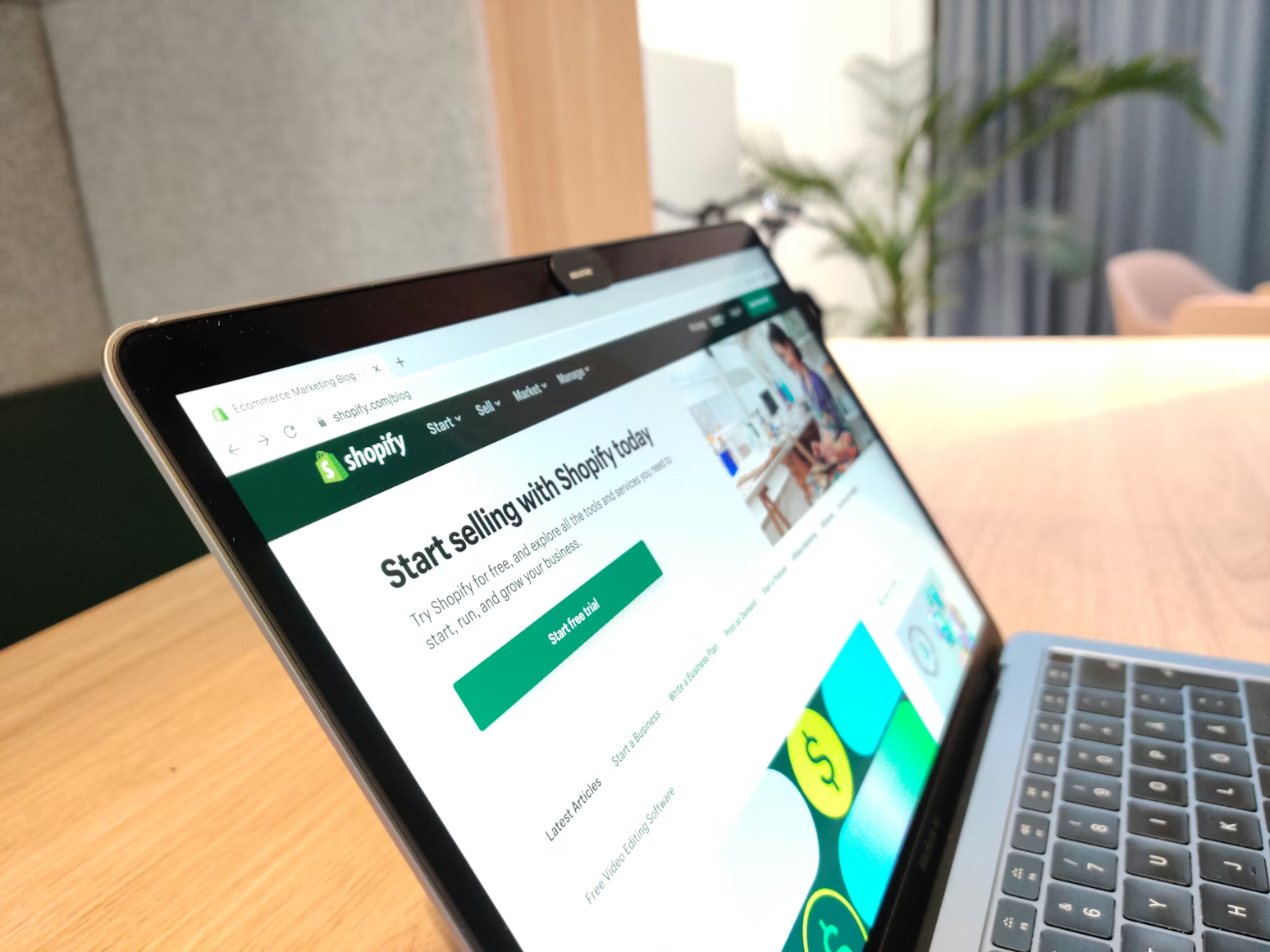
Choosing the right platform for your outdoor brand’s website isn’t just about looks. It’s about finding a system that handles your unique challenges. From seasonal inventory swings to building trust around gear that needs to perform in harsh conditions.
Both Shopify and Webflow serve outdoor brands well. But they excel in different areas. Your choice depends on your priorities, technical skills, and business model.
The Outdoor Brand Challenge
Outdoor brands face unique digital challenges. You’re selling products where failure isn’t just inconvenient—it can be dangerous. Customers need detailed specs, real-world testing data, and authentic proof your gear works.
You also deal with complex inventory patterns. Ski gear sells in fall, camping equipment peaks in spring, and some products have year-long cycles. Your platform needs to handle these fluctuations smoothly.
Community matters in outdoor sports. Your customers want to see real people using your products in actual conditions. They trust peer recommendations over polished marketing copy.
Shopify: The E-commerce Powerhouse
Shopify was built for selling products online. It handles transactions, inventory, taxes, and shipping without breaking a sweat. For outdoor brands focused on direct-to-consumer sales, this foundation is solid gold.
Strengths for Outdoor Brands
Inventory Management: Shopify’s inventory system handles seasonal fluctuations well. You can track stock levels, set up automatic reorder points, and manage variants (sizes, colors, models) easily. The system handles backorders and pre-orders—crucial for outdoor gear with long lead times.
App Ecosystem: Need specialized functionality? Shopify’s app store likely has it. Product reviews, size guides, subscription boxes, and loyalty programs all plug in seamlessly. Brands like YETI use review apps to showcase real customer experiences with their coolers.
Payment Processing: Shopify Payments handles transactions in multiple currencies. International customers can buy your camping gear without payment friction. The system also manages fraud protection—important when selling high-value outdoor equipment.
Mobile Commerce: Over 60% of outdoor gear purchases happen on mobile devices. Shopify’s mobile checkout is optimized and fast. Customers can buy your hiking boots while researching trails.
Limitations
Design flexibility has limits. While Shopify themes look professional, heavy customization requires coding skills. If your brand needs unique layouts or interactions, you’ll hit walls quickly.
Page speed can suffer with too many apps. Each app adds code that slows loading times. For outdoor brands showcasing high-resolution gear photos, this creates a tough balance.
Webflow: The Design-First Platform
Webflow gives you complete design control. You can create exactly the experience your outdoor brand needs. No compromises, no “that’s not possible with this theme” conversations.
Strengths for Outdoor Brands
Visual Storytelling: Outdoor brands live on storytelling. Webflow lets you create immersive experiences that showcase your gear in action. Patagonia’s website demonstrates this perfectly—every page tells a story about purpose and performance.
Custom Layouts: Need to show technical specs alongside lifestyle imagery? Want to embed interactive size guides? Webflow handles complex layouts without plugins or workarounds.
SEO Control: Complete control over meta tags, structured data, and page optimization. Crucial for outdoor brands competing on technical product terms and local search queries like “best hiking boots for Colorado trails.”
Brand Expression: Your brand personality shines through custom animations, unique layouts, and tailored user experiences. Important when you’re competing against established outdoor giants.
Limitations
E-commerce features lag behind Shopify. Basic selling works fine, but complex inventory management, abandoned cart recovery, and advanced checkout options need workarounds.
The learning curve is steep. If you’re an engineer who wants to focus on product development, Webflow’s design-first approach might drain time from your core business.
Platform Comparison: Head-to-Head
FeatureShopifyWebflowE-commerce FeaturesExcellentGoodDesign FlexibilityLimitedUnlimitedInventory ManagementAdvancedBasicLearning CurveEasyModerate-HardApp Integrations8,000+ appsGrowing ecosystemSEO CapabilitiesGoodExcellentMobile OptimizationExcellentExcellentInternational SalesBuilt-inRequires setupTransaction Fees2.4-2.9%2.0% + processorMonthly Cost(29-)299(23-)212
Real Outdoor Brand Examples
Shopify Success: Hydro Flask built their brand on Shopify, focusing on product variants (colors, sizes) and customer reviews. Their straightforward approach let them scale quickly while maintaining focus on product development.
Webflow Success: Moment Lens uses Webflow to showcase their camera gear through interactive product demos. Their custom layouts highlight technical specs alongside stunning photography examples.
Blackfish Gear (fishing apparel) chose Shopify for its inventory management. They needed to track multiple size/color combinations across seasonal product lines.
Flylow Gear (ski apparel) uses custom Webflow layouts to integrate weather data, showing their gear in actual mountain conditions. This builds trust through real-world context.
Decision Framework: Which Platform Fits You?
Choose Shopify If:
- E-commerce is your primary focus- You have complex inventory (multiple variants, seasonal patterns)- You want to launch quickly with minimal technical hassle
- International sales are important from day one- You’re a solo founder who needs to focus on product development- Revenue goals exceed $500K annually
Choose Webflow If:
- Brand storytelling is crucial to your success- You need unique layouts or custom functionality- You have design skills or budget for a designer- SEO and content marketing drive your growth strategy- You’re selling higher-consideration products that need detailed explanation- Your brand competes on innovation and uniqueness
The Founder Profile Factor
Engineer Founders: If you’re technical but focused on product development, Shopify’s simplicity wins. You can launch fast and iterate based on customer feedback.
Designer Founders: Webflow gives you the canvas to express your brand vision. The learning investment pays off in differentiation.
Marketing-Savvy Founders: Either platform works. Your choice depends on whether you prioritize conversion optimization (Shopify) or brand experience (Webflow).
Making Your Decision
Start with your primary goal. Are you selling products or building a brand experience? Both matter, but one usually drives your business more than the other.
Consider your timeline. Need to launch in 30 days? Shopify wins. Have 90 days to build something unique? Webflow becomes viable.
Think about your growth path. Will you need complex inventory management, international shipping, or detailed analytics? Shopify’s ecosystem handles these needs better.
Budget matters beyond monthly fees. Factor in design costs, app subscriptions, and development time. Webflow might cost less monthly but require higher upfront investment.
The Bottom Line
Neither platform is universally better for outdoor brands. Shopify excels at selling products efficiently. Webflow excels at telling your brand story powerfully.
Most successful outdoor brands eventually need both capabilities. Start with the platform that solves your biggest current challenge. You can always migrate or complement with additional tools as you grow.
The best platform is the one that lets you focus on what matters most: building great outdoor gear and serving your customers well.