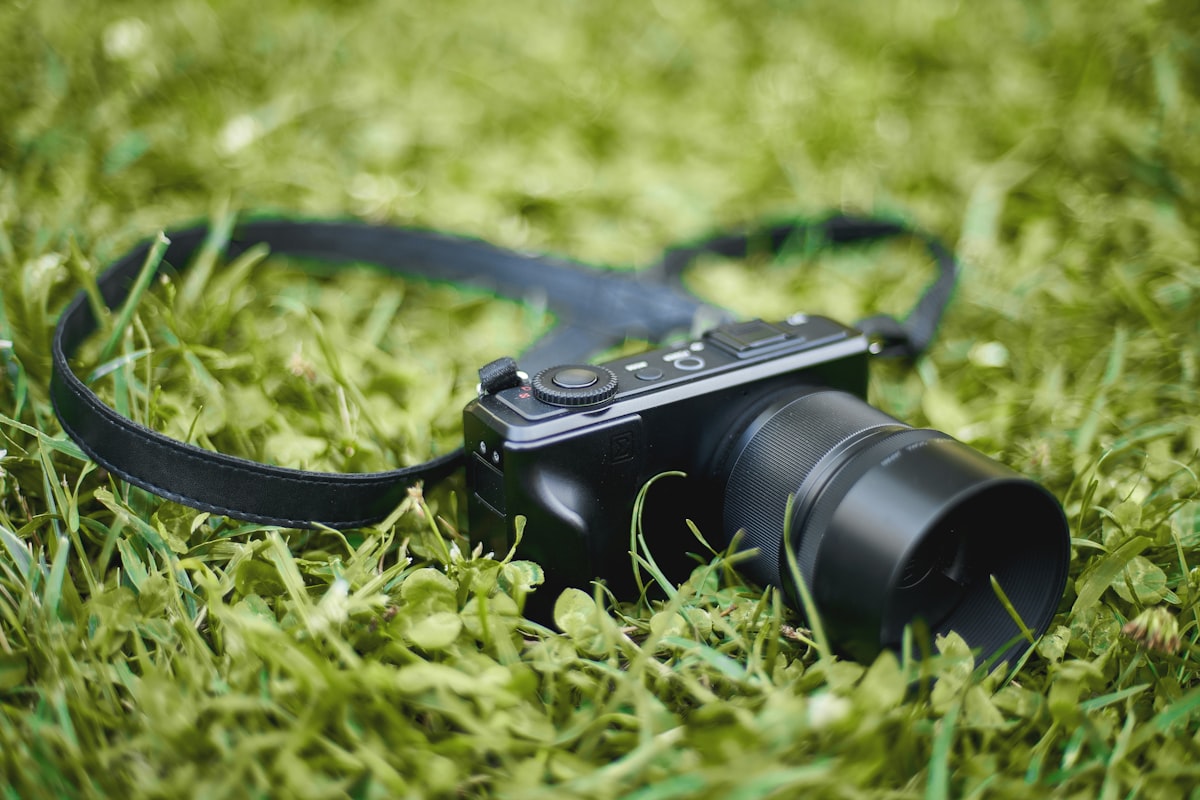
Your product photos can make or break your outdoor brand’s success online. Poor images lead to abandoned carts and lost sales. Great photos build trust and drive conversions.
This guide covers everything you need to know about outdoor product photography for ecommerce. We’ll help you understand what images you need, how to create them, and when to invest in professional help.
Essential Photo Types for Outdoor Ecommerce
White Background Product Shots
Clean white background photos are your foundation. These images show your product clearly without distractions. They work perfectly for product pages, catalogs, and comparison shopping.
Use a seamless white backdrop or editing software to achieve pure white backgrounds. Your product should fill 80-85% of the frame. Include multiple angles: front, back, side, and top views.
Lifestyle and Action Shots
Show your gear in real outdoor environments. A camping stove works better when photographed at an actual campsite than on a white background. Customers need to visualize themselves using your product.
Capture authentic moments rather than posed shots. Action photos prove your product works in demanding conditions. They also create emotional connections with potential buyers.
Detail and Feature Shots
Highlight unique features and quality construction. Show zippers, buckles, materials, and technical details up close. These photos address specific customer questions before they ask.
Include scale references like hands or common objects. A carabiner next to a quarter shows actual size better than dimensions in text.
Packaging Shots
Don’t overlook packaging photography. Customers want to see what they’ll receive. Professional packaging photos suggest quality and attention to detail.
Show the unboxing experience if it’s part of your brand story. Many outdoor customers appreciate sustainable or innovative packaging solutions.
DIY Photography Setup for Budget-Conscious Founders
Basic Equipment List
You don’t need expensive gear to start. A smartphone with a good camera works for many product shots. Add a tripod, white foam boards for bounce lighting, and a clean white backdrop.
Natural light near a large window often beats artificial lighting. Avoid direct sunlight, which creates harsh shadows. Overcast days provide perfect even lighting.
Simple Setup Steps
Create a mini studio in any room. Use a table near a window as your base. Position white foam boards to reflect light and eliminate shadows.
Take multiple shots of each angle. Shoot in your phone’s RAW format if available. This gives you more editing flexibility later.
Free Editing Tools
Use free apps like Snapseed or Canva for basic editing. Adjust brightness, contrast, and color balance. Remove backgrounds using built-in tools or online services like Remove.bg.
Keep editing subtle and natural. Over-processed photos look fake and hurt trust.
When to Hire Professional Photographers
Signs You Need Professional Help
Consider professional photography when DIY shots hurt your conversion rates. If competitors’ photos make yours look amateur, it’s time to invest.
Professional photographers excel at complex lighting situations and action shots. They also work faster and deliver consistent results across large product lines.
Finding Outdoor Photography Specialists
Look for photographers who understand outdoor gear and environments. Check their portfolios for similar products and authentic outdoor scenes.
Many outdoor photographers are also outdoor enthusiasts. They understand how gear performs and can capture authentic usage scenarios.
Cost Expectations by Quality Level
Basic product photography ranges from (25-100 per product. Professional lifestyle and action shots cost )200-500 per image. High-end commercial photography can reach $1,000+ per shot.
Factor in usage rights and editing when comparing quotes. Some photographers charge extra for ecommerce usage or social media rights.
Capturing Products in Outdoor Environments
Planning Your Shoot
Scout locations that match your product’s intended use. A hiking backpack belongs on trails, not in studios. Plan shoots around weather and lighting conditions.
Bring backup gear and protect your equipment. Outdoor shoots face unpredictable conditions that can damage cameras or products.
Showing Performance and Durability
Demonstrate your product working in real conditions. Show a rain jacket in actual rain or a headlamp in darkness. These photos prove performance claims.
Include before/after shots when relevant. A dirty, used product after an adventure tells a compelling durability story.
Image Specifications for Ecommerce Success
Technical Requirements
Most ecommerce platforms prefer square images (1:1 ratio) or slightly rectangular (4:5 ratio). Aim for at least 1024x1024 pixels for zoom functionality.
Save images in JPEG format for web use. Keep file sizes under 100KB for fast loading while maintaining quality.
Optimization Best Practices
Compress images without losing quality using tools like TinyPNG. Add descriptive file names and alt text for SEO benefits.
Create consistent naming conventions for easy organization. Use descriptive names like “hiking-backpack-front-view.jpg” instead of generic numbers.
Building Your Photo Library and Content Strategy
Creating a Content Calendar
Plan photography around product launches and seasonal demands. Shoot winter gear in fall for holiday sales. Capture summer products early for spring marketing campaigns.
Batch similar products together to maximize efficiency. Photograph all your water bottles or camping gear in single sessions.
Organizing and Storing Images
Use cloud storage with good organization systems. Create folders by product category, shoot date, and usage type. Back up everything in multiple locations.
Tag images with keywords for easy searching. Include product names, categories, and usage scenarios in your organization system.
User-Generated Content Integration
Encouraging Customer Photos
Ask customers to share photos using your products. Offer small incentives like discount codes for quality submissions. Feature customer photos on your website and social media.
Create branded hashtags to collect user content. Monitor social media for organic mentions and usage photos.
Legal and Quality Considerations
Always get permission before using customer photos commercially. Create simple release forms or terms that grant usage rights.
Maintain quality standards even with user-generated content. Poor customer photos can hurt your brand image.
Video vs. Photo Considerations
When Video Adds Value
Video works better for complex products or setup procedures. Show tent assembly or gear organization through short clips. Video also captures product sounds and movement.
Keep videos short and focused. Most product videos should run 30-60 seconds maximum.
Balancing Both Formats
Use photos for main product displays and videos for detailed explanations. Photos load faster and work better in most ecommerce layouts.
Consider your audience’s browsing habits. Mobile users often prefer quick photo viewing over video watching.
Common Photography Mistakes to Avoid
Poor Lighting and Shadows
Harsh shadows hide important details and create unprofessional looks. Use multiple light sources or reflectors to eliminate dark areas.
Avoid mixed lighting types like fluorescent and natural light together. This creates color casts that are hard to fix.
Inconsistent Style and Quality
Maintain consistent lighting, backgrounds, and editing across all product photos. Inconsistency makes your brand look unprofessional.
Create style guides with specific settings and editing presets. This ensures consistency even when shooting over multiple sessions.
Ignoring Mobile Optimization
Most customers shop on mobile devices. Test how your photos look on small screens. Ensure important details remain visible when images are scaled down.
Measuring Photography ROI
Track conversion rates before and after updating product photos. Monitor time spent on product pages and cart abandonment rates. Good photos should increase both engagement and sales.
A/B test different photo styles to find what works best for your audience. Sometimes simple changes like background color or product angles significantly impact conversions.
Professional photography is an investment in your brand’s success. Start with the basics and upgrade strategically as your business grows. Great product photos don’t just show your gear – they sell your brand’s story and promise.