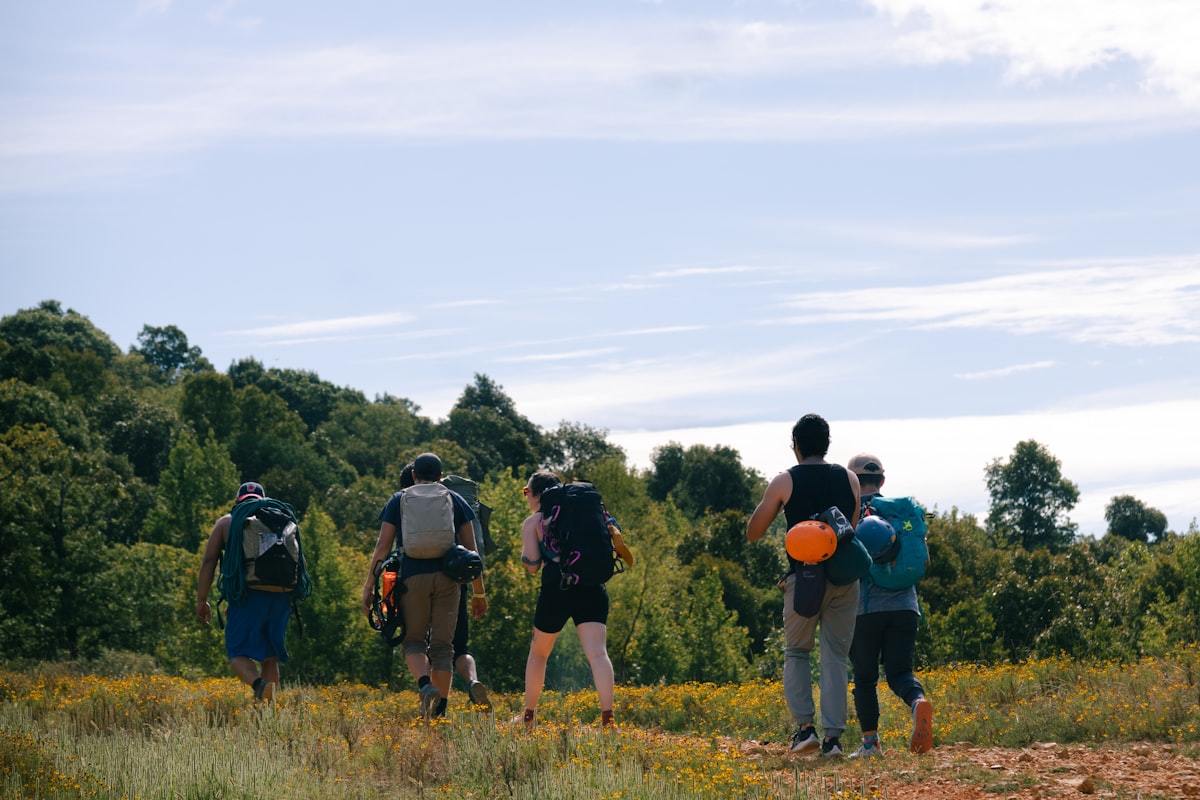
The outdoor industry thrives on shared experiences. People don’t just buy camping gear or hiking boots – they join communities of adventurers who share their passion for the outdoors.
Yet many outdoor brands focus entirely on transactions. They push products through ads and hope for sales. This approach misses the real opportunity in the outdoor space: building genuine communities that turn customers into lifelong advocates.
Community-driven marketing creates deeper connections than any ad campaign ever could. It transforms your brand from a vendor into a trusted partner in your customers’ outdoor journeys.
Why Outdoor Brands Need Community-First Thinking
Traditional marketing treats customers like transactions. You show them a product, they buy it, and the relationship ends there. This transactional approach works poorly in the outdoor industry.
Outdoor enthusiasts make gear decisions based on trust and recommendation. They want to know their equipment will perform when their safety depends on it. They value the opinions of fellow adventurers over flashy advertisements.
Community-first marketing flips this dynamic. Instead of chasing transactions, you focus on building relationships. You provide value before asking for anything in return. You create spaces where your audience can connect with each other, not just with your brand.
This approach builds stronger customer loyalty. Community members become brand ambassadors naturally. They share their experiences and recommend your products to friends. They provide feedback that helps you improve your offerings.
The outdoor community is already connected through shared values: environmental responsibility, adventure, self-reliance, and authenticity. Brands that tap into these values create lasting connections.
Where to Build Your Community
Social Media Platforms
Instagram works well for outdoor brands because it’s visual. Share photos of your products in action, not just on white backgrounds. Show real people using your gear in real environments.
Create hashtags that encourage user-generated content. Make them specific enough to build identity but simple enough to remember. #MyTrailStory works better than #ExtremeMountainAdventureExperience.
Facebook groups offer deeper engagement than public posts. Create private groups for customers or product categories. These spaces let community members ask questions, share tips, and connect directly with each other.
YouTube builds authority through educational content. Create gear reviews, how-to videos, and adventure documentaries. Focus on helping people succeed outdoors, not just selling products.
Forums and Online Communities
Reddit has active outdoor communities like r/CampingGear and r/Ultralight. Participate authentically by answering questions and sharing knowledge. Don’t just promote your products – become a helpful community member first.
Industry-specific forums like BackpackingLight or MountainBuzz have engaged audiences. These platforms value expertise over marketing. Share genuine insights and build relationships slowly.
Consider creating your own forum or community platform. This gives you more control but requires significant effort to build momentum. Start small with existing platforms first.
Events and Local Groups
Sponsor local hiking clubs, climbing groups, or outdoor meetups. This connects your brand with active community members in your area. Choose events that align with your target audience.
Host your own events like group hikes, gear testing sessions, or outdoor skills workshops. These create direct connections with potential customers. Keep events focused on value, not sales pitches.
Trade shows and outdoor expos let you meet customers face-to-face. Bring prototypes and get direct feedback. These interactions often lead to your most passionate community members.
Creating Value Beyond Products
Your community needs reasons to engage beyond buying your products. Provide value through education, entertainment, and connection.
Educational Content
Share outdoor skills and knowledge. Create guides for gear maintenance, safety tips, or trip planning advice. This positions your brand as an expert resource.
Weather and trail condition updates serve your community’s immediate needs. Partner with local organizations to provide timely information for popular outdoor areas.
Gear comparison guides help people make better decisions. Don’t just promote your products – give honest comparisons that help customers choose the right equipment for their needs.
Entertainment and Inspiration
Share adventure stories from your community. Feature customer photos and trip reports. This content inspires others while celebrating your community members.
Behind-the-scenes content from product development or company adventures humanizes your brand. People connect with stories, not corporate messaging.
Seasonal content keeps your community engaged year-round. Share winter preparation tips in fall, or summer hiking guides in spring.
Connection Opportunities
Facilitate introductions between community members. Create local meetup threads or trip-planning discussions. Your brand becomes the catalyst for new friendships.
Feature community spotlights that celebrate interesting members. This recognition encourages participation and shows you value your community as individuals.
Create challenges or group goals that bring people together. Photo contests, mileage challenges, or conservation projects give your community shared purposes.
User-Generated Content and Ambassador Programs
Your community creates better marketing content than any agency ever could. Real customers using your products in genuine situations tell authentic stories.
Encouraging User-Generated Content
Make it easy for customers to share their experiences. Send follow-up emails asking for photos after purchases. Provide simple instructions for tagging your brand.
Repost customer content regularly on your channels. Always credit the original creator and ask permission first. This recognition encourages more sharing.
Create campaigns around specific themes or seasons. Ask for winter camping setups or favorite trail photos. Give people specific prompts to spark creativity.
Building Ambassador Programs
Start informal ambassador relationships with your most engaged community members. Send them new products to test and share honestly. Choose people who already love your brand and have relevant audiences.
Look for micro-influencers in the outdoor space. These creators have smaller but more engaged followings than major influencers. Their recommendations carry more weight with niche audiences.
Provide ambassadors with exclusive access or early product releases. This creates special value for your most loyal community members. They become invested in your brand’s success.
Set clear expectations but avoid overly restrictive contracts. Ambassador relationships work best when they feel natural and authentic. Heavy-handed agreements kill genuine enthusiasm.
Measuring Community Health
Traditional marketing metrics focus on sales and conversions. Community health requires different measurements that capture engagement and relationship strength.
Engagement Metrics
Track response rates to your community content. Are people commenting, sharing, and participating in discussions? High engagement indicates strong community connection.
Monitor the quality of interactions, not just quantity. Meaningful conversations and helpful exchanges show your community provides real value to members.
Measure how often community members interact with each other, not just with your brand. Peer-to-peer engagement indicates a healthy, self-sustaining community.
Retention and Growth
Track how long community members stay active. Healthy communities retain members over time because they provide ongoing value.
Monitor new member acquisition through different channels. Referrals from existing members indicate strong community satisfaction.
Watch for natural advocacy behaviors like unprompted product recommendations or brand defense in online discussions.
Brand Health Indicators
Sentiment analysis of community conversations reveals how people really feel about your brand. Positive sentiment trends indicate growing community trust.
Customer support ticket volume and complexity can decrease as community members help each other solve problems.
Product feedback quality improves in healthy communities. Members provide detailed, constructive input because they’re invested in your success.
Case Studies: Exceptional Outdoor Communities
Patagonia’s Environmental Activism
Patagonia built community around environmental values, not just outdoor gear. Their “Don’t Buy This Jacket” campaign sparked conversations about consumption and sustainability.
They host film festivals, activism workshops, and environmental campaigns. Community members connect through shared values that extend beyond outdoor activities.
This approach attracts customers who align with the brand’s mission. The community becomes self-selecting for people who share similar values and interests.
REI’s Co-op Model and Events
REI’s cooperative structure makes customers literal stakeholders in the company. This ownership creates deeper investment than traditional retail relationships.
Their extensive event calendar includes classes, group trips, and community service projects. These activities build local connections while showcasing products naturally.
REI’s #OptOutside campaign encourages people to spend Black Friday outdoors instead of shopping. This counter-intuitive marketing strengthens community bonds around shared values.
Local Gear Shop Success Stories
Many successful local outdoor retailers build community through expertise and personal service. They become gathering places for local adventurers.
These shops host gear swaps, trip planning sessions, and educational workshops. Customers return for advice and connection, not just equipment purchases.
The personal relationships created in these environments generate incredible customer loyalty. People drive past chain stores to support businesses where they feel known and valued.
First Steps for New Brands
Building community feels overwhelming when you’re starting with zero customers. Begin small and focus on providing genuine value from day one.
Start Before You Launch
Begin community building during product development. Share your story and progress with people who might be interested. Early supporters become your strongest advocates.
Join existing communities as yourself, not just as a brand. Participate authentically in discussions and build relationships. These connections become the foundation for your own community.
Document your journey from idea to product. This behind-the-scenes content creates connection and anticipation for your launch.
Community building takes time, but the payoff is worth it. Start with one platform, provide genuine value, and let your community grow naturally. The outdoor brands that thrive aren’t the ones with the biggest marketing budgets. They’re the ones with the most passionate communities.