Most outdoor brands start their ecommerce journey with Shopify. It’s simple, reliable, and gets you selling fast. But what happens when your brand grows and you need something more custom?
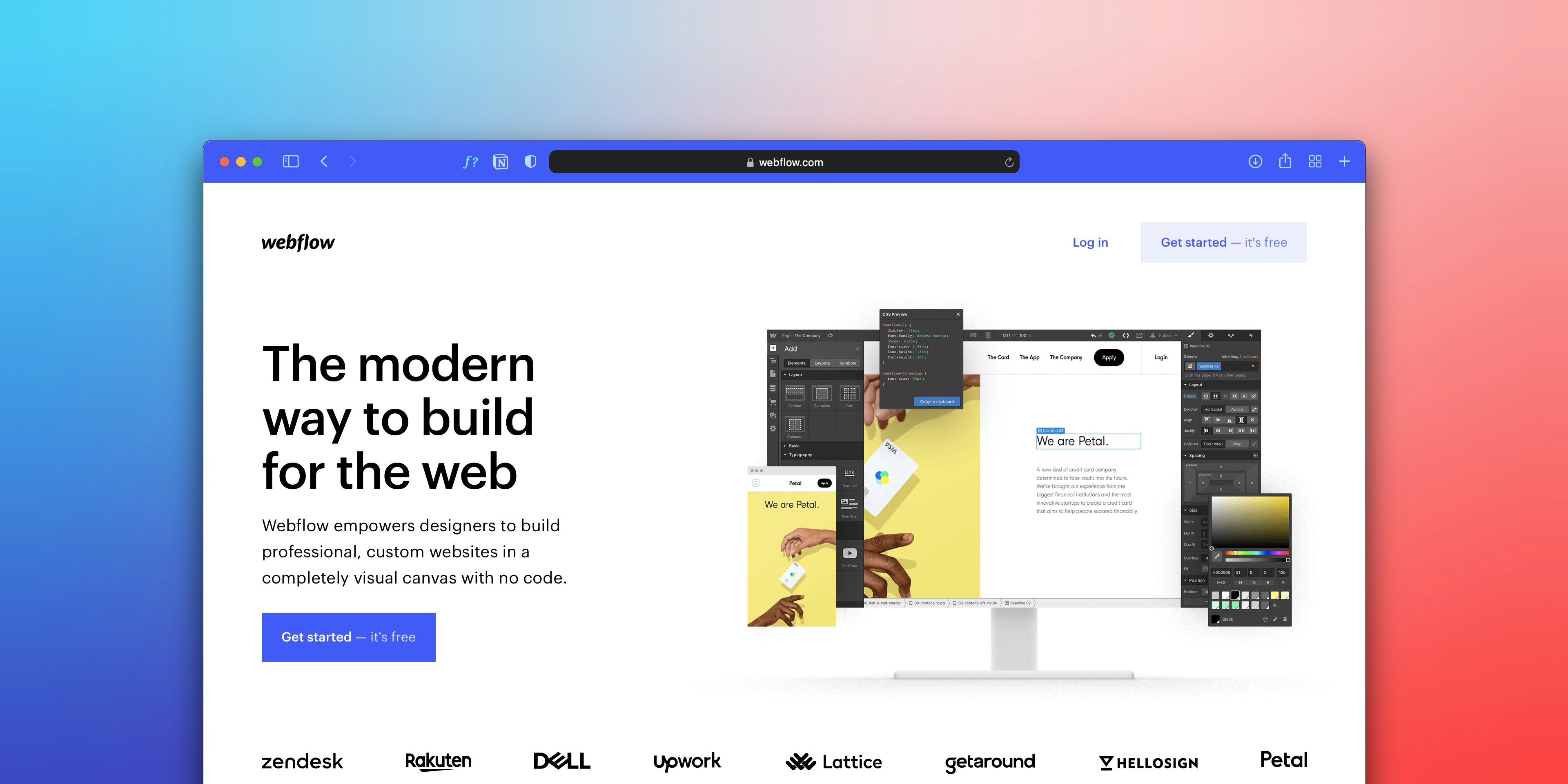
That’s where Webflow comes in. Think of it as the advanced option for brands that want complete control over their digital experience. Instead of choosing from pre-made themes, you build exactly what you want.
When Webflow Makes Sense Over Shopify
Shopify works great for most outdoor brands starting out. But Webflow becomes the better choice when you need unique visual storytelling or custom functionality.
Consider Webflow if you’re launching premium gear that needs detailed product showcases. Maybe you’re selling $500 hiking boots and need to show every material and construction detail. Or you’re launching a new tent design and want interactive features that let customers explore the setup process.
Webflow also wins when your brand story is complex. If you’re selling sustainable gear made from recycled ocean plastic, you need space to tell that story properly. Webflow gives you unlimited design freedom to create immersive brand experiences.
The trade-off is complexity. Webflow requires more technical knowledge and ongoing maintenance than Shopify. It’s the difference between driving an automatic car versus a manual transmission.
Webflow’s Design Superpowers for Outdoor Products
Webflow’s biggest advantage is visual storytelling. You can create product pages that feel more like magazine spreads than typical ecommerce listings.
Take lifestyle imagery integration. With Webflow, you can build product pages where specs and features appear as users scroll through action shots. Picture a mountain bike product page where technical details fade in as users scroll past images of the bike on different terrain types.
Custom animations bring gear to life online. You can show a sleeping bag’s compression sequence, demonstrate a jacket’s layering system, or reveal a backpack’s internal organization through interactive hotspots.
Video integration works seamlessly too. Embed product demo videos directly into your page layout without the clunky iframe look of most ecommerce platforms. Background videos can set the mood while product details stay perfectly readable.
Setting Up Ecommerce in Webflow
Webflow’s ecommerce setup is straightforward but requires more planning than Shopify. You’ll start by creating product collections and defining your categories.
The inventory system handles basic stock management well. You can track quantities, set up low-stock alerts, and manage variants like size and color. However, complex inventory scenarios like seasonal stock planning need third-party solutions.
Payment processing connects through Stripe, which handles most credit cards and digital wallets. International selling works but requires manual tax configuration for each region. This is where Shopify’s automated tax handling becomes appealing.
Shipping configuration covers most scenarios. You can set up flat rates, calculated shipping, or free shipping thresholds. For outdoor brands shipping heavy gear, the calculated shipping options work well with UPS and FedEx integrations.
Building Custom Product Pages for Outdoor Gear
Outdoor products need detailed specifications and performance data. Webflow lets you create custom fields for any product attribute you need to track.
Design product pages with tabbed sections for specs, materials, sizing, and care instructions. Use accordions to organize technical details without overwhelming the main product description. Progressive disclosure helps customers find the information they need without cluttering the page.
For gear with multiple use cases, create scenario-based product showcases. A multi-tool might have different sections showing camping applications, everyday carry uses, and emergency scenarios. Each section can highlight relevant features and specifications.
Size guides deserve special attention in outdoor gear. Build interactive size charts that help customers choose between a medium and large backpack based on torso measurements. Visual size guides work better than static charts for outdoor products.
Advanced Features for Outdoor Brands
Seasonal inventory management becomes crucial for outdoor brands. Winter gear sells differently than summer camping equipment. Webflow’s CMS lets you create seasonal collections and automate product visibility based on dates.
Build comparison tools for similar products. Customers shopping for hiking boots want to compare waterproofing, weight, and durability across multiple options. Custom comparison tables help customers make informed decisions while reducing support requests.
User-generated content integration showcases real customers using your gear. Connect Instagram feeds, customer photo galleries, or review systems directly into your product pages. Social proof works especially well for outdoor brands where community matters.
SEO and Performance Optimization
Webflow generates clean, semantic code that search engines love. Unlike many ecommerce platforms with bloated themes, Webflow sites typically load fast and rank well.
Structure your product pages with proper heading hierarchy. Use H1 for product names, H2 for major sections like features and specifications, and H3 for subsections. This helps search engines understand your content organization.
Image optimization becomes critical for gear-heavy sites with lots of product photos. Webflow’s responsive images automatically serve appropriate sizes for different devices. Still, compress images before uploading to maintain fast loading speeds.
Create landing pages for specific outdoor activities or gear categories. A dedicated “ultralight backpacking gear” page can rank for specific search terms while showcasing relevant products together.
Cost Analysis and Technical Requirements
Webflow ecommerce plans start at (29 per month but can reach )212 monthly for high-volume stores. Unlike Shopify’s transaction fees, Webflow charges a flat monthly rate regardless of sales volume.
Factor in development time and ongoing maintenance. Building a custom Webflow site takes 40-80 hours compared to 8-15 hours for a Shopify store setup. Ongoing updates and feature additions require design skills or developer help.
The break-even point typically comes around $50,000 in annual revenue. Below that, Shopify’s simplicity usually wins. Above that threshold, Webflow’s customization capabilities often justify the extra complexity.
DIY vs Professional Help
Technical founders with design skills can build Webflow stores themselves. The learning curve takes 2-3 weeks of dedicated time to become proficient. Webflow University provides excellent free training resources.
Non-technical founders should budget for professional help. A custom Webflow ecommerce site costs (5,000-)15,000 depending on complexity. Ongoing maintenance adds (500-)1,500 monthly if you outsource updates and optimizations.
Consider a hybrid approach: hire professionals for initial setup, then learn to manage content and simple updates yourself. This balances cost control with professional design quality.
Real-World Examples
Brands like Patagonia and Arc’teryx use custom-built solutions that share Webflow’s philosophy of design-first ecommerce. While they use enterprise platforms, their approach to visual storytelling translates well to Webflow.
Smaller outdoor brands like Rumpl (makers of outdoor blankets) have successfully used Webflow to create distinctive shopping experiences that stand out from typical outdoor gear websites.
Making the Decision
Choose Webflow when unique design and brand storytelling matter more than operational simplicity. It’s the right platform for premium outdoor brands that need to communicate complex product benefits or brand values.
Stick with Shopify if you’re just starting out, selling commodity products, or need extensive third-party app integrations. The learning curve and maintenance requirements make Webflow overkill for many outdoor brands.
The best platform is the one that serves your customers well while fitting your team’s capabilities and resources.